What to Expect from Energy Prices in 2026
Published 20 January 2026
Lock In or Hold Fire?
One of the most common questions business owners ask is simple: “Should I fix now or wait?”
The answer, as the UK energy markets demonstrated in 2024 and 2025, is rarely straightforward.
These two years provide a clear example of how market cycles affect procurement decisions and why informed timing matters.
Two Very Different Years
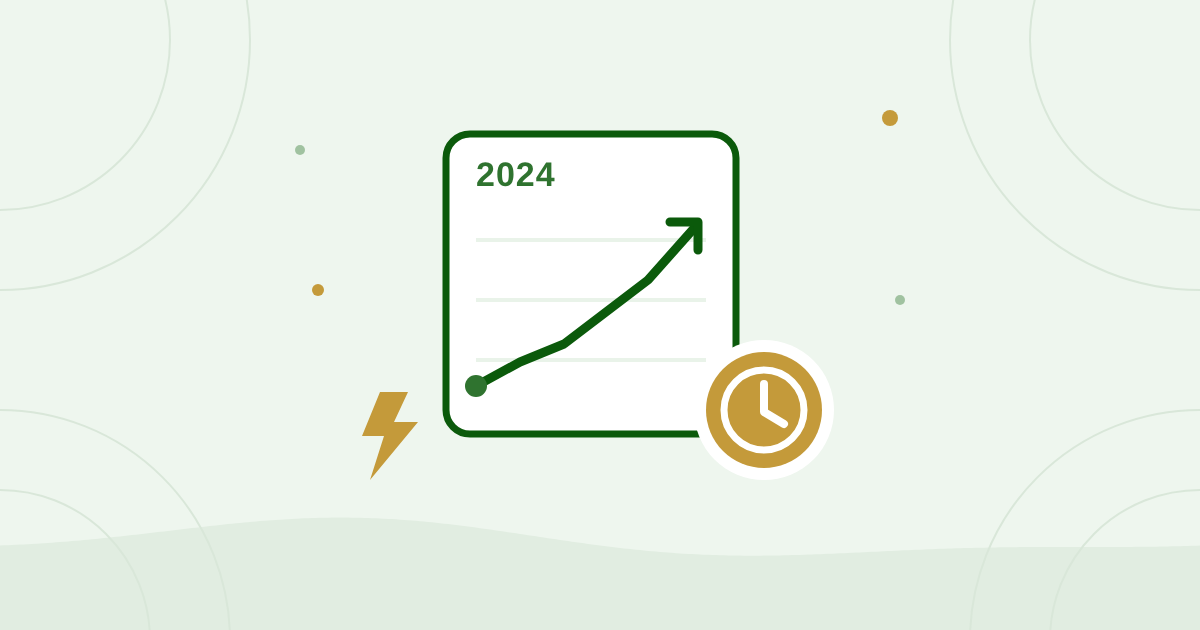
In 2024, prices rose steadily. Businesses that delayed fixing usually paid more.
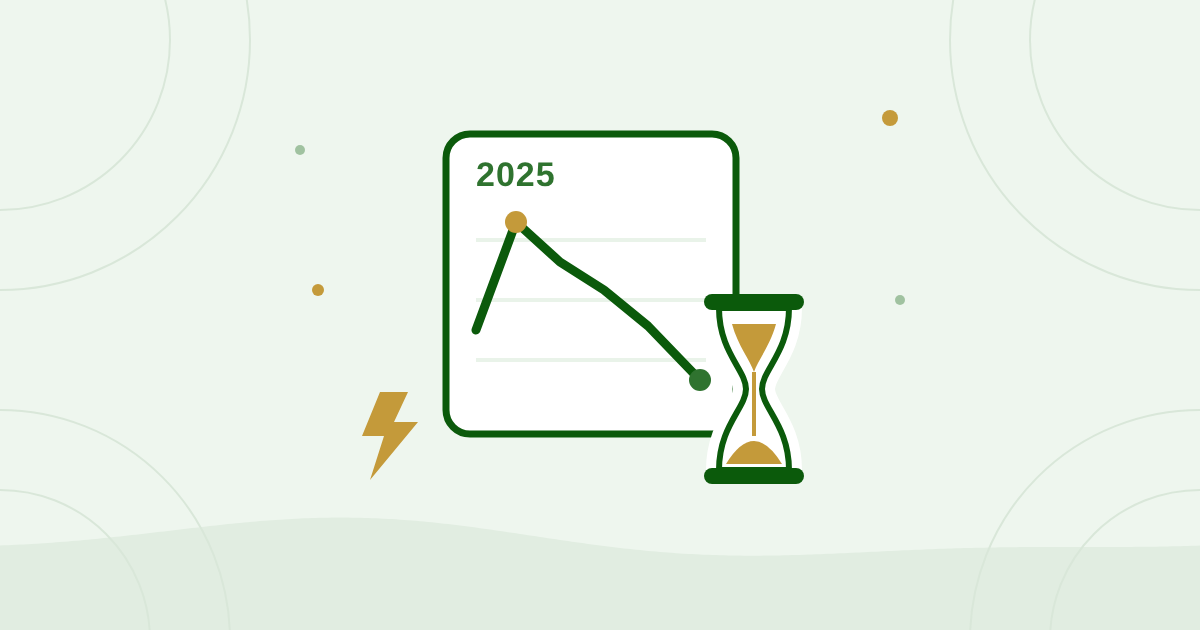
In 2025, prices peaked early and then declined. Businesses that waited were often rewarded.
Same market. Same country. Completely different outcomes.
This contrast highlights an important truth: conditions change, and strategies must change with them.
Why Gas and Electricity Move Together
In the UK, gas plays a major role in electricity generation. As a result, gas and electricity prices tend to move closely together.
When gas prices rise, electricity usually follows. When gas falls, power often falls too.
This means that monitoring gas markets is essential for understanding overall energy costs.
The Risk of Guessing
Many businesses attempt to time the market based on instinct, headlines, or hearsay. This approach is risky. Without proper data and analysis, it is easy to:
- Fix too early in a falling market
- Wait too long in a rising market
- Miss favourable windows
- Expose the business to unnecessary volatility
Over time, these small mistakes can add up to significant costs.
A Smarter Decision Framework
Rather than guessing, effective procurement is based on three principles:
- Market Direction
Is the market rising, falling, or stable?
- Risk Appetite
Does your business prioritise certainty or flexibility?
- Budget Planning
How sensitive are your margins to energy costs?
Balancing these factors leads to better long-term outcomes than focusing on price alone.
How We Support Our Clients
Our role is not simply to find the best rate but to help businesses understand when and why to act by monitoring wholesale markets, geopolitical developments, and supply conditions. By combining market insight with transparent advice, we help clients make commercially sensible decisions, whatever the market cycle. If you would like tailored guidance, UK Business Energy Broker is ready to help.